Showing posts with label surface flooding. Show all posts

How To Prepare Your Home For The Effects Of Climate Change: LifeHacker au

How To Prepare Your Home For The Effects Of Climate Change
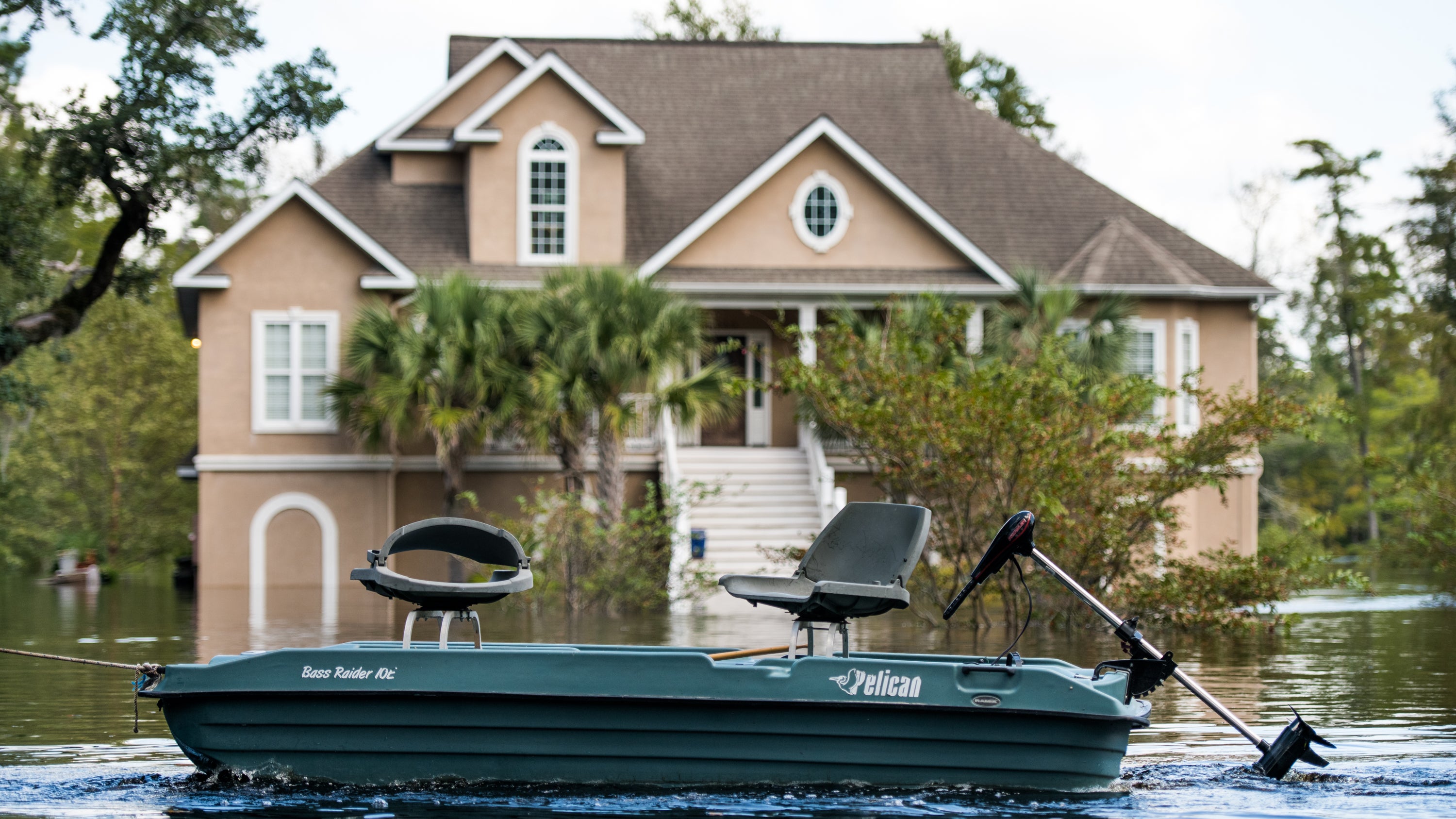
A house in South Carolina after Hurricane Florence. (Photo: Sean Rayford, Getty Images)


Climate change used to seem like something that would confront our grandchildren — a distant concern. Now, though, it’s staring us right in the face when we get up in the morning.
People wade through seawater on sunlit Miami streets; the Florida Panhandle, which rarely sees hurricanes, was recently flattened by a megastorm; and every year bigger and more frequent wildfires burn through Australia and California. 

As our planet warms up, the climate-related changes across the world are well underway. Even if you haven’t had to cope with climate related problems yet, it may not be long before you have to protect your home from extreme weather, fire, flooding, or even sea level rise.

To find out how climate change may affect your area, check out climate risks by region using the Climate Change in Australia Toolkit.

https://www.climatechangeinaustralia.gov.au/en/climate-projections/climate-futures-tool/projections

For example, your flood risk depends not just on your own home and where it sits, but also on things like how the city has channeled nearby creeks and what size culverts your local department of public works has installed beneath your street or road. When it rains harder than ever before, undersized culverts may be overwhelmed and creeks can back up and jump their banks, flooding homes and roads.

In Santa Cruz, California, the city’s climate action manager Tiffany Wise-West, PhD, has posted a detailed action plan, including a Practical Adaptation Actions for Residents. We’re not covering every little thing, she says, but the City’s simple web page is a place for ordinary people to start.
Santa Cruz County is one of the rare places that already has a detailed plan for the future. Ask your city and county government if they have a Local Hazard Mitigation Plan like this one. But even if your area doesn’t, you can rough out a way to address the specific risks your home could face. In general, climate change experts talk about two ways of addressing climate change, preventing it and dealing with the consequences. Here we are focused on dealing with the consequences of climate change, sometimes called climate adaptation.


Sea Level Rise 

Is your seaside beach house at risk of looking like the castle in the bottom of a goldfish bowl? To find out, look up your area on Coast Adapt’s “Climate Change and Sea-Level rising in the Australian Region page.”
https://coastadapt.com.au/climate-change-and-sea-level-rise-australian-region
 
Older climate models predict 1 to 4 feet of sea level rise by 2100. But depending on how quickly major ice sheets in Greenland and Antarctica collapse, the sea could rise a dozen meters or more. For now, we don’t know for sure when that might happen.

For example, East Antarctic’s largest ice sheet is threatened by warm sea water slipping underneath it. That could set the front of it afloat and allow the massive landbound part to slide into the sea—enough to raise global sea levels by nearly four meters (12 feet).

Wise-West says the Santa Cruz plan is about the same whether the sea rises a meter in 80 years or sooner. It’s just a matter of moving up the schedule, she says, looking serious.

If you look at Port Arthur, Texas, on the Surging Seas website and set sea level to one meter (3 feet), you can glimpse the future. Here is Port Arthur today:
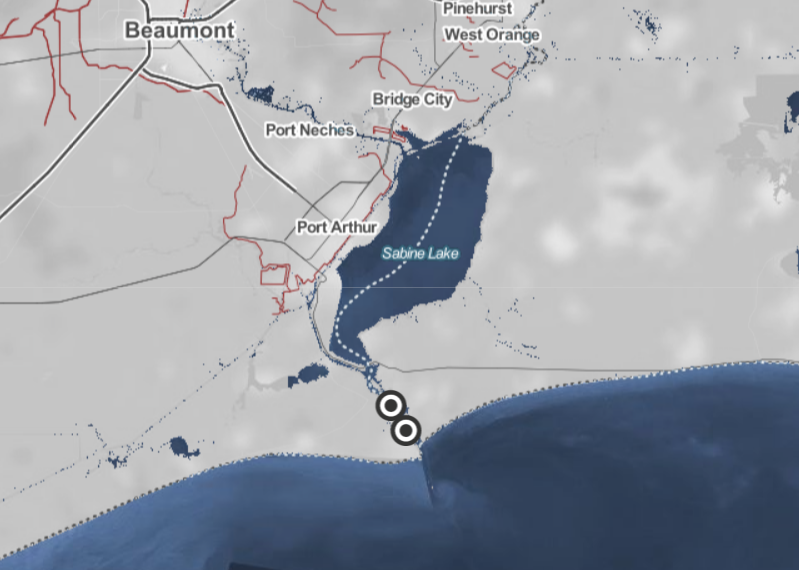
Port Arthur, Texas, today (Screenshot: Surging Seas)
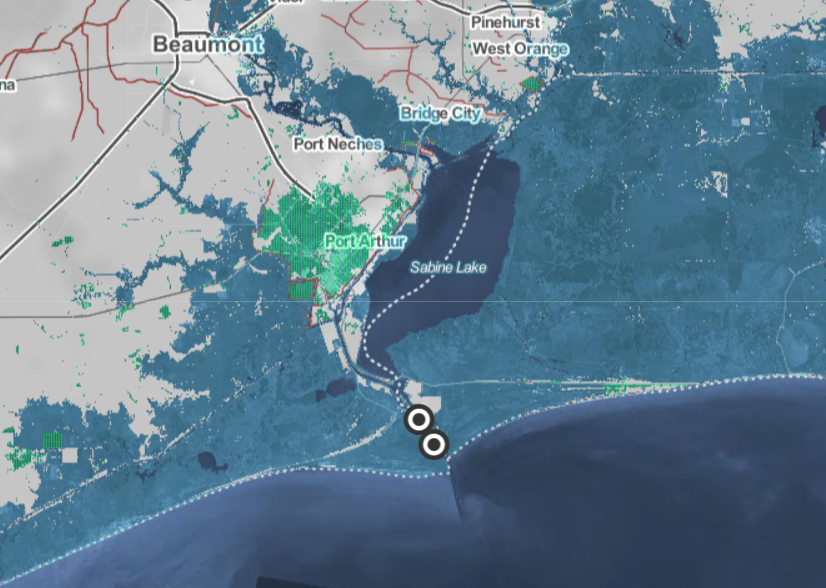
 
Port Arthur is home to 50,000 people and the largest oil refinery in the United States. Here’s what it could look like with one meter of sea level rise:

Port Arthur, Texas, with a meter of sea level rise (Screenshot: Surging Seas)
 
That means that if you lived in Port Arthur, you’d have to think about not only how sea level rise would affect your own backyard, but also how it would affect the oil refinery and how that would affect you.


Extreme Rain

In 2017, Hurricane Harvey slammed Houston with 102cm of rain in four days, flooding 400 square miles. How can you deal with such Biblical flooding? In the short term, evacuate if local authorities say to. Longer term, have an escape plan. But bottom line? Don’t live in a floodplain.
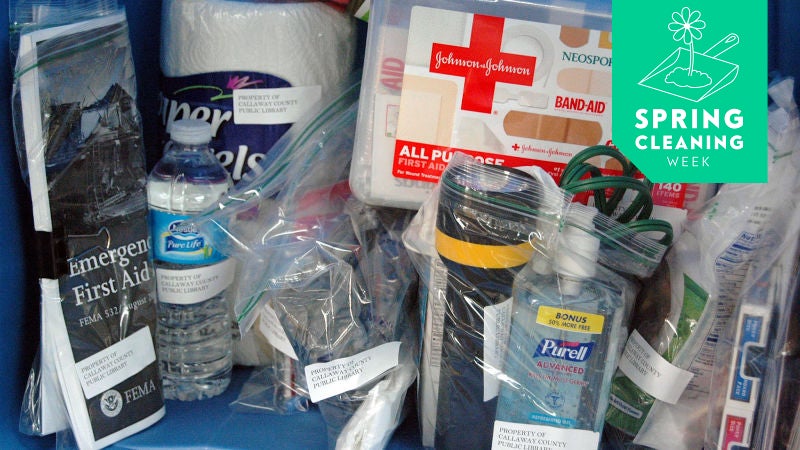
Consolidate Your Home Emergency Kit Now

Remember when you bought a new can opener because you thought you lost your old one? What do you plan on doing with that half-used roll of duct tape that's collecting dust in your garage? The last time you used that flashlight in the kitchen junk drawer was to pretend to be a jedi, wasn't it? These are all items you probably have lying around that you can consolidate into a home emergency kit. It might just save you and your family's lives.


Flooding from rain and overflowing rivers might seem similar to flooding from sea level rise and in some ways a basement full of water is the same whether it’s freshwater or seawater. But there is a difference. Floods eventually recede. Even with climate change, it might be 10 or 50 years before another flood occurs in that location. Sea level rise not only doesn’t recede, it will keep rising for the foreseeable future. If the sea is lapping at your driveway at high tide, it will be at your doorstep in time.

If you are in doubt about whether your home could be affected by sea level rise, it’s not too soon to start thinking about moving inland, whether that’s a just mile to higher ground or to another state.

Hotter Summers

Government maps can help you estimate how much hotter it’ll get where you live.

https://coastadapt.com.au/climate-change-and-sea-level-rise-australian-region

Until you move, here are a few things that will help protect your house from extreme heat:
  • Paint your house white, and use the palest roofing you can find.
  • Plant trees around your house to provide shade.
  • Seal every crack in your roofing.
  • Insulate the roof and walls.
  • Seal all gaps around electrical outlets or pipes coming through the wall.
  • Weather strip your doors and replace leaky windows.
  • Use fans to pull in cooler air in at night.

Extreme Wind

Hurricanes are becoming more powerful and more common. This is because warmer ocean water adds energy to tropical storms as they form. Both kinds of extreme wind destroy buildings by ripping off roofs and hurling heavy objects through the air.
Most building codes were written for relatively mild winds. You can build a house like this one that will withstand a category 5 hurricane. But if that’s not in your budget, make your own house a bit sturdier with wind-resistant roofing, garage doors, and storm shutters. As always, be prepared to evacuate to a safer place when hurricanes are headed for your house."

From LifeHacker.au

How to prepare for climate change: Bradford Council


Here we have one local government area preparing its residents for climate change.

"What is climate change adaptation?

Even if we slow down climate change by reducing our carbon emissions we will still see some impact in the Bradford District. Adaptation is how we adjust to the different climate and the process of preparing for extreme weather.

The main weather events likely to impact on the Bradford district are:
  • floods 
  • droughts 
  • heat waves 
  • severe winds 
  • severe snowfall

Are you ready for climate change?

We need to prepare for the impacts of climate change, to reduce the risks to you, your property and the District.
The weather in Bradford is changing. The summers will become warmer and drier and the winters wetter and milder. Adapting to climate change must become a part of our life. We must adapt our property, communities and lifestyles for more extremes of weather.
Be prepared and take action - climate change is happening
We can all take simple steps to make sure we are ready for the extremes in weather:

Adapt your home and property

Flooding

You don’t have to live near a river for your property to flood, in Bradford surface water flooding is a big issue this is when rain cannot enter the drainage system so flows over the surface, this can affect property even at the top of a hill.
  • flood proof your property
  • keep valuables, precious items and documents on higher ground
  • make sure you have insurance cover for your property and contents
  • avoid tarmac or paving over the garden, as this prevents rain draining away
More advice on flood proofing your home is available from the Environment Agency. Further information can also be found on our flooding pages.

Heatwaves and drought

Temperatures are likely to rise and we are likely to have more heat waves. The hot temperatures can affect our health, particularly young and elderly people. It may also affect the availability of water.
  • install blinds at the windows
  • create an area of shade in your garden where you can sit to cool off
Try to conserve water:
  • install a water butt, it's a good idea to connect it to a drainpipe. The rainwater collected can be used to water plants and wash the car
  • reuse bath water to water plants
  • use mulch on the garden, a protective layer on the soil prevents moisture loss, you can also use pebbles, gravel, chipped bark, grass clippings
  • take shorter showers, you could even fit a low flow shower head
  • don't let water run while washing your face - brush your teeth while waiting for the hot water then fill a basin to wash or shave
  • operate dishwashers and clothes washers only when they are fully loaded, or properly set the water level for the size of load you are using
  • stop drips - a dripping tap can waste more than 60 litres a week, thousands in a year. Turn off all your taps fully and fix leaky taps around the home
Better to act now – otherwise the impacts can be both costly and timely

Prepare yourself for extreme weather

Be aware of the impact the weather may have on you, people you know and the community.
Things to consider:
  • in a heat wave wear sun screen and a hat and drink plenty of water
  • snowfall and icy weather can make people more prone to falls so take care
  • weather can affect transport networks, making it difficult to get around
  • services may be disrupted in times of extreme weather, winds can bring down power lines and water pipes may freeze during cold periods
  • be aware of vulnerable members of your community they may need extra help
  • be aware of the needs of any elderly or sick relatives
  • have a list of emergency contacts and numbers
  • be prepared for an emergency have a plan and an emergency kit bag
It is important to identify
  1. what the risks are 
  2. who is most vulnerable 
  3. have a plan of action ready
Contact details