Showing posts with label farmers. Show all posts

9 Ways to assist Australia's farmers with climate change

"Global warming affects agriculture in a number of ways, including through changes in average temperatures, rainfall, and climate extremes (e.g., heat waves); changes in pests and diseases; changes in atmospheric carbon dioxide and ground-level ozone concentrations; changes in the nutritional quality of some foods; and ..."

Climate change and agriculture - Wikipedia


.....................................
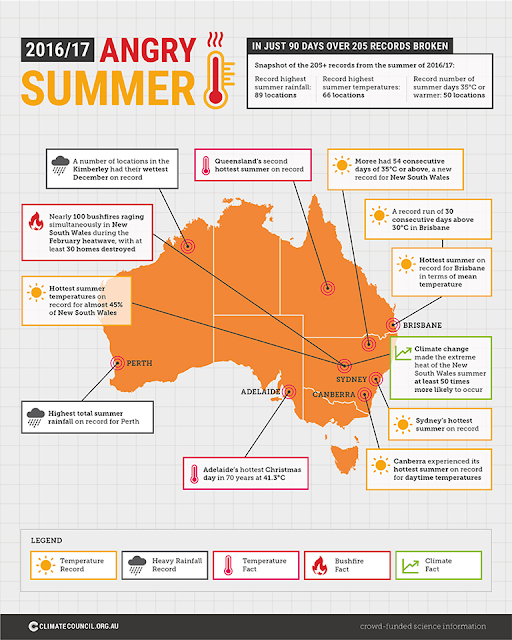

Climaste Council meme
Angry Summer by The Climate Council


It is obvious that many farmers are going to be displaced because of climate change. As their usual crops become unviable and broad scale farming becomes uneconomical because of costs, it is impossible to continue to subsidise farmers that continue to farm or to graze unsuitable animals in an unsustainable fashion. Yet farmers need government support and Australia requires food production.


#jailclimatecriminals, #farmingpractices, #climatecrisis
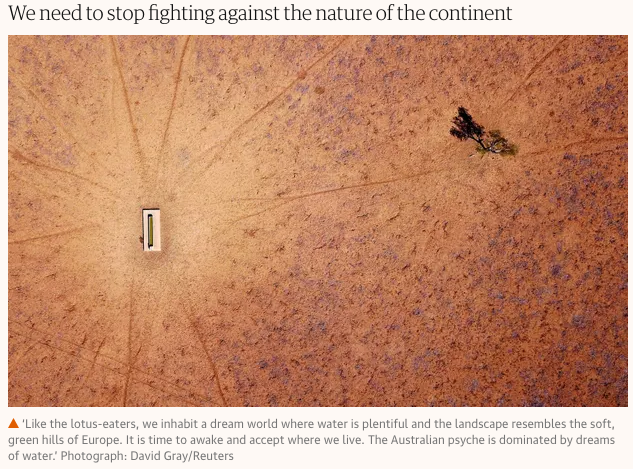
Australia must learn to manage with less surface water. Artesian water resources must be husbanded.

Suggested Actions

1. “What we still don’t have in the year 2019 is a national (Australian) strategy on climate change in agriculture. There’s still no actual framework to help farmers manage these risks and implement solutions,” she said. Verity Morgan-Schmidt, the chief executive of Farmers for Climate Action

2. Revitalise, with extra funding, our agricultural support services that have provided excellent research and development in the past, new crops and animal husbandry practices can be developed.

3. Provide education for farmers that demonstrate alternative farming practices, for example move from cattle to goats.

4. Only subsidise farmers that change their practice to accommodate a changing climate and protect our soils but retrain farmers unable to accommodate change.

5. Encourage small farming practices such as permaculture, greenhouse production, urban farms.

Note: Intensive farming practices have been shown to be as productive as industrial broad scale farming.

6.  Stop selling water off or subsidising in any way corporations that persist in growing water hungry crops such as cotton and almonds in water scarce areas.

7.  Protect our surface and artesian water from destructive and unsustainable industries.

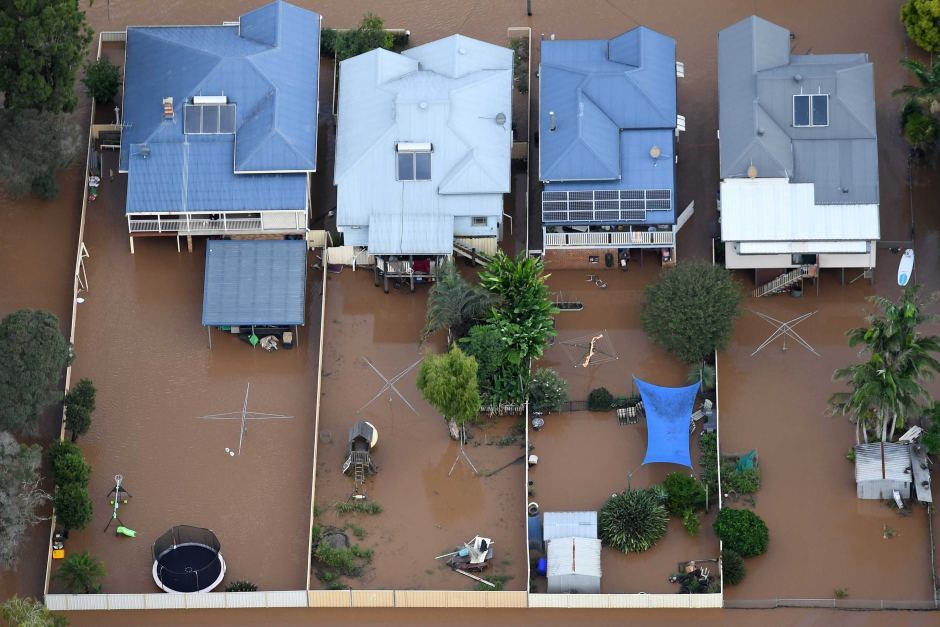
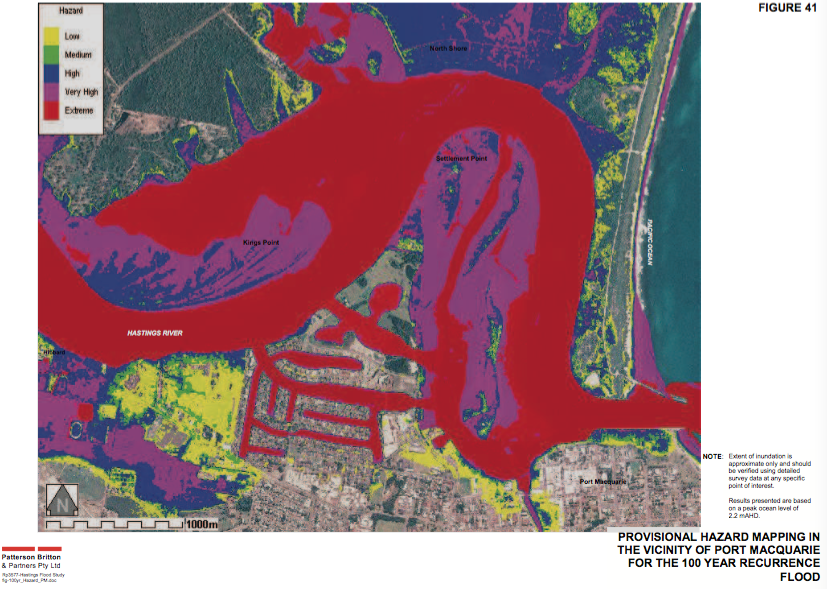
8.  Support farmers to plan moves from floodplains or cope with more flooding. 


#jailclimatecriminals, #cambioclimatico
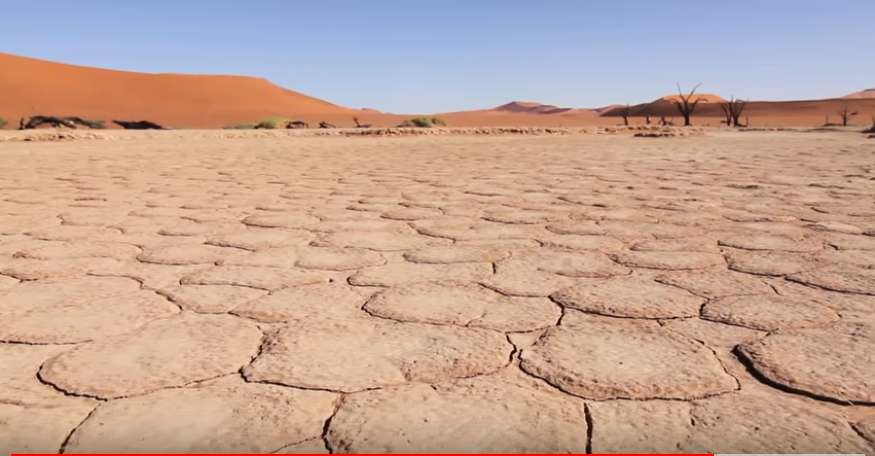
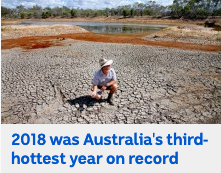
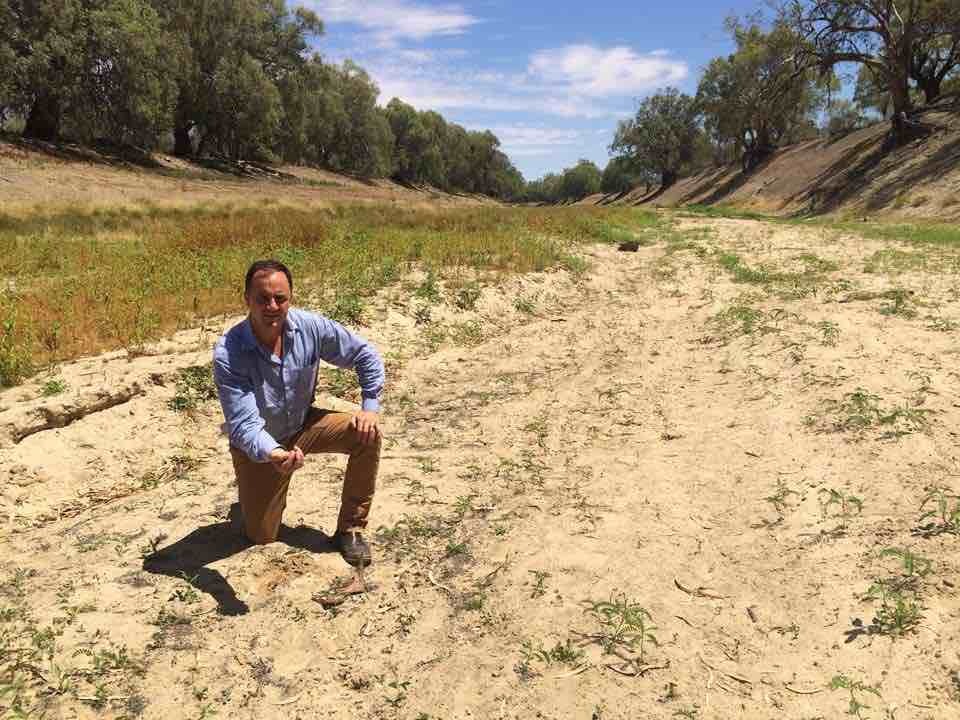
Droughts will occur more often. Soils will erode. Desertification will occur.


9.  Encourage farmers to 'get a yield' with new products.

" 'Agritourism, insect farming off waste resources, bush tucker foods — there are options out there, but it's not traditional agriculture in that sense.'

" 'We need support structures, new ideas, people helping us transition to these other production industries. ' "

She (Anika) believes the first step needs to come from the energy sector to buy more time for other industries to develop response strategies.

'The easiest way to put the brakes on what we are experiencing is to transition away from dirty fossil fuel energy to clean, renewable energy; that then takes the pressure off other industries.' "


An article by Preparations for Climate Change

See also:  Preparing for a Climate Change Health Crisis
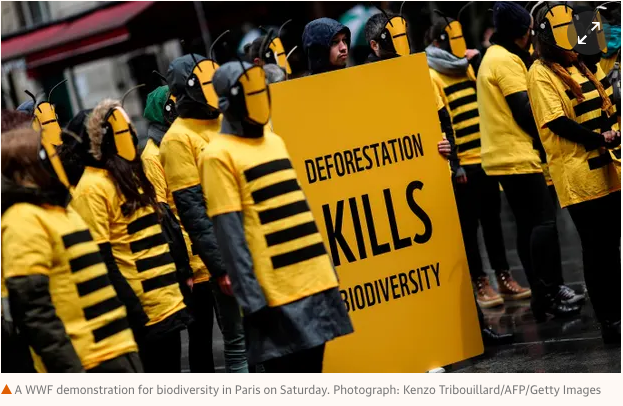
Protecting biodiversity during climate crisis

"We cannot solve the threats of human-induced climate change and loss of biodiversity in isolation. We either solve both or we solve neither."

"Despite the profound threat of biodiversity loss, it is climate change that has long been considered the most pressing environmental concern. That changed this week in Paris, when representatives from 130 nations approved the most comprehensive assessment of global biodiversity ever undertaken."

"The report, spearheaded by the Intergovernmental Science-Policy Platform on Biodiversity and Ecosystem Services (IPBES), found that nature is being eroded at rates unprecedented in human history.
One million species are currently threatened with extinction and we are undermining the entire natural infrastructure on which our modern world depends."
https://www.theguardian.com/commentisfree/2019/may/06/biodiversity-climate-change-mass-extinctions


In Australia:

"Impacts of climate change on biodiversity


Climate change is predicted to be the greatest long-term threat to biodiversity in many regions and is listed as a key threatening process in state and Commonwealth legislation. 

Projections of future changes in climate in NSW include increasing temperatures and temperature extremes, increasingly severe droughts, rising sea levels, possible decreasing rainfall, regional flooding and reduced water availability in the Murray-Darling Basin.

Australia has experienced cycles of climate change in the past, but the current changes are more serious due to the rate of change in atmospheric greenhouse gas levels and temperatures, and because ecosystems are already stressed by other human impacts.

The most vulnerable ecosystems include coastal ecosystems, alpine areas, rainforests, fragmented terrestrial ecosystems and areas vulnerable to fire or low freshwater availability.

Species that could become endangered or extinct include those living near the upper limit of their temperature range (for example, in alpine regions); those with restricted climatic niches; and those that cannot migrate to new habitats due to habitat fragmentation or lack of alternatives.

Helping biodiversity adapt

Addressing the impacts of climate change on biodiversity will require a long-term effort and new ways of thinking. To help species and ecosystems cope with climate change, OEH developed Priorities for Biodiversity Adaptation to Climate Change (PDF 1MB).

These priorities focus on 4 key areas:

  1. Enhancing our understanding of the likely responses of biodiversity to climate change and re-adjusting management programs where necessary
  2. Protecting a diverse range of habitats through building a comprehensive, adequate and representative public reserve system in NSW, with a focus on under-represented bioregions
  3. Increasing opportunities for species to move across the landscape by working with partners and the community to protect habitat and create the necessary connections across landscapes
  4. Assessing adaptation options for ecosystems most at risk from climate change in NSW
The document draws on the NSW Climate Impact Profile which has assessed the likely impacts of climate change on species and ecosystems in NSW."

https://www.environment.nsw.gov.au/topics/animals-and-plants/biodiversity/about-biodiversity/climate-change-impacts 


“There is no question we are losing biodiversity at a truly unsustainable rate that will affect human wellbeing both for current and future generations,” he said. “We are in trouble if we don’t act, but there are a range of actions that can be taken to protect nature and meet human goals for health and development

"The goal is to persuade an audience beyond the usual green NGOs and government departments. “We need to appeal not just to environment ministers, but to those in charge of agriculture, transport and energy because they are the ones responsible for the drivers of biodiversity loss,” he said.

A focus will be to move away from protection of individual species and areas, and to look at systemic drivers of change, including consumption and trade."

Robert Watson, the chair of the Intergovernmental Science-Policy Platform on Biodiversity and Ecosystem Services (IPBES).
https://www.theguardian.com/environment/2019/may/03/climate-crisis-is-about-to-put-humanity-at-risk-un-scientists-warn 


"It requires massive changes, from removing subsidies that lead to the destruction of nature and future warming of the Earth, to enacting laws that encourage the protection of nature; from reducing our growing addiction to fossil-fuel energy and natural resource consumption, to rethinking the definition of a rewarding life."

We need to redirect government subsidies towards more sustainable and regenerative farming.

This will not only contribute towards absorbing carbon and reducing the emissions of other greenhouse gases, it can also halt a frightening trajectory where farmland is so overloaded that eventually it just stops growing crops."


 Up to 30% of koalas on New South Wales mid-north coast may have been killed and many more may be endangered in South Australia in the country’s ongoing bushfire crisis after experts warned fires are the biggest threat Australian wildlife faces.


https://www.theguardian.com/environment/2019/sep/16/1m-a-minute-the-farming-subsidies-destroying-the-world

Preparing for climate refugees

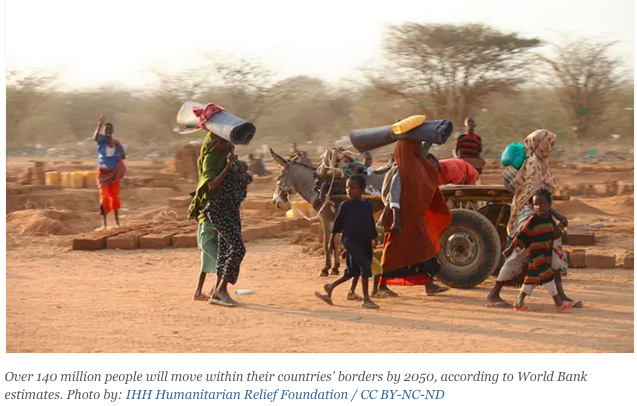
It is not just war that creates refugees. South and Central American and African droughts are forcing farmers off their lands. Hurricanes, storms and the resulting flooding is making much of the world’s lower coastal areas unlivable. Sea level rise...
As droughts impact and water becomes scarce wars are fought over resources.


It is not just war that creates refugees. South and Central American and African droughts are forcing farmers off their lands. 

Sea rise destroying Fijian village


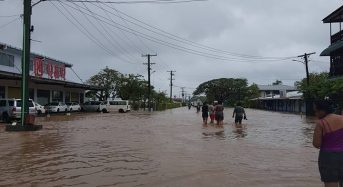
Hurricanes, storms and the resulting flooding is making much of the world’s lower coastal  areas unlivable. 


Sea level rise is poisoning or drowning farm lands or swamping island homes. 

You Tube: Climate Change Will Make MILLIONS Homeless. Where Will They Go? 


Heat is forcing indigenous peoples from their traditional lands. 


It is not just war that creates refugees. South and Central American and African droughts are forcing farmers off their lands. Hurricanes, storms and the resulting flooding is making much of the world’s lower coastal areas unlivable. Sea level rise...
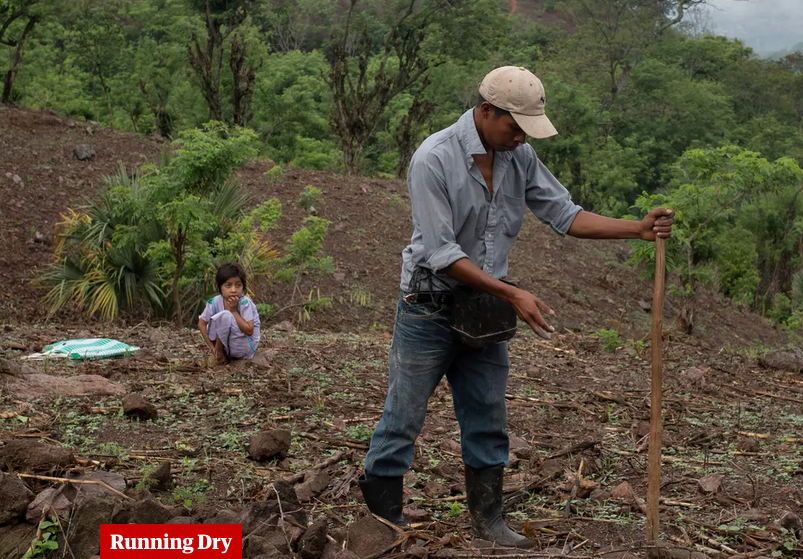
Central and South American farmers are forced off their lands by droughts. Many travel north.


It is not just war that creates refugees. South and Central American and African droughts are forcing farmers off their lands. Hurricanes, storms and the resulting flooding is making much of the world’s lower coastal areas unlivable. Sea level rise...

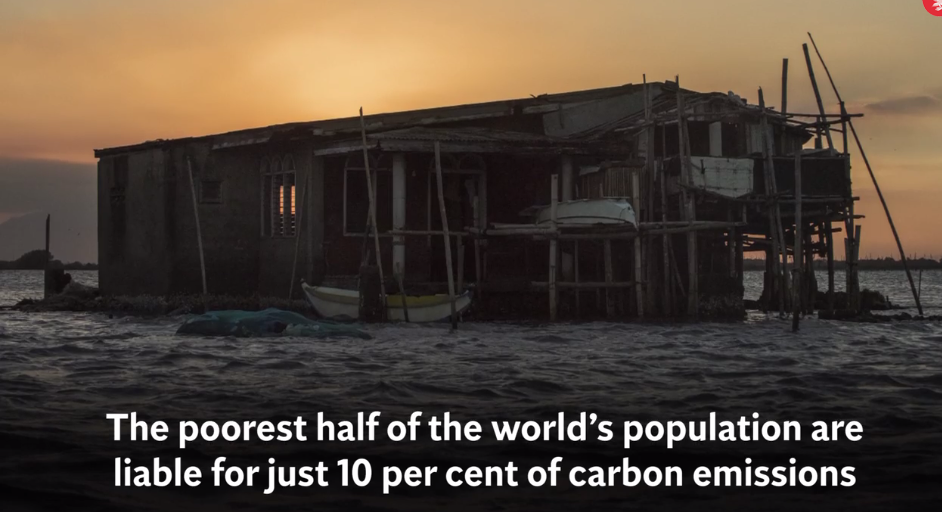
Yet the poorest have hardly contributed to climate change. 

You Tube: Climate Change, Disasters and Refugees - Talking Points


From a purely economic view the indefinite holding of refugees in detention camps is massively expensive. Huge, long-term camps of refugees require a more compassionate response by wealthier nations especially those contributing to wars or climate change.

Governments require a humane and compassionate response to refugees.

The United Nations needs to make 'climate change' a legal reason for refugees to seek asylum.

• Planning how refugees can be assimilated and contribute to less climate affected nations is essential.

Latest News:
Experts say judgment is ‘tipping point’ that opens the door to climate crisis claims for protection

 Wealthy nations must contribute more to the poorer nations so they can better manage their own climate refugees and the effects of climate change. 

Preparing for Water Shortages


Dams will only fill if the rainfall increases but this isn’t predicted in Australia. 


Increased temperatures and greater droughts have already led to immense water shortages with some Australian towns trucking water in an increasing number.
Dams will only fill if the rainfall increases but this isn’t predicted.
Some suggestions for...
Increased temperatures and greater droughts have already led to immense water shortages with some Australian towns trucking water in an increasing number.
Dams will only fill if the rainfall increases but this isn’t predicted.
Some suggestions for...
Increased temperatures and greater droughts have already led to immense water shortages with some Australian towns trucking water in an increasing number.
Dams will only fill if the rainfall increases but this isn’t predicted.
Some suggestions for...
Increased temperatures and greater droughts have already led to immense water shortages with some Australian towns trucking water in an increasing number.
Dams will only fill if the rainfall increases but this isn’t predicted.
Some suggestions for...
Increased temperatures and greater droughts have already led to immense water shortages with some Australian towns trucking water in an increasing number.

Some suggestions for governments are:

• protect the water storage we have from mining pollution and fire damage  

• reuse and recycle water  

• grow alternatives to cotton and other water greedy crops  

• protect our artesian water  

• catch storm water in cities  

• assist rural communities to increase their town water availability  

• support farmers in transitioning to better farm and grazing practices  

• desalinate water using renewable energy  

• facilitate composting toilets   

• protect our water catchment areas from logging, which dries out the forest  

• protect our water catchment areas from any practice which reduces water run off  

• urging mining companies to filter waste water and create wetlands  

• urging irrigators to establish retention ponds of wastewater for reuse 
See also: Preparing for a Climate Change Health Crisis


Preparing for more severe floods


So many parts of the world are vulnerable to coastal flooding. Hurricanes and rain events are now more severe partly because the ocean is warmer and evaporation from the sea is increased.
Suggested actions for governments are:
• preventing the...
So many parts of the world are vulnerable to coastal flooding. Hurricanes and rain events are now more severe partly because the ocean is warmer and evaporation from the sea is increased.
Suggested actions for governments are:
• preventing the...So many parts of the world are vulnerable to coastal flooding. Hurricanes and rain events are now more severe partly because the ocean is warmer and evaporation from the sea is increased.
Suggested actions for governments are:
• preventing the...
So many parts of the world are vulnerable to coastal flooding. Hurricanes and rain events are now more severe partly because the ocean is warmer and evaporation from the sea is increased.
Suggested actions for governments are:
• preventing the...
So many parts of the world are vulnerable to coastal flooding. Hurricanes and rain events are now more severe partly because the ocean is warmer and evaporation from the sea is increased.
Suggested actions for governments are:
• preventing the...
So many parts of the world are vulnerable to coastal flooding. Hurricanes and rain events are now more severe partly because the ocean is warmer and evaporation from the sea is increased.

Suggested actions for governments are:

• preventing the erection of any building or services on floodplains  • creating flood retention structures  • better funding emergency services  • reducing polluting carbon emissions  • establishing flood shelters for people and animals  • establishing a service for the rescue of animals and people  • farmer education and research programs which take account of more frequent floods

See also: Preparing for heatwaves