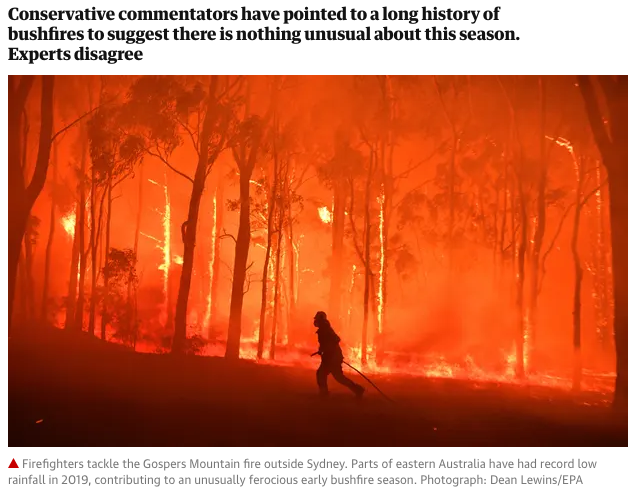
Preparations for Climate Change

Suggested actions to mediate the catastrophic effects of climate change. More actions?????

Showing posts with label bushfire. Show all posts

How To Prepare Your Home For The Effects Of Climate Change: LifeHacker au

How To Prepare Your Home For The Effects Of Climate Change
Jennie Dusheck
Nov 14, 2018
 
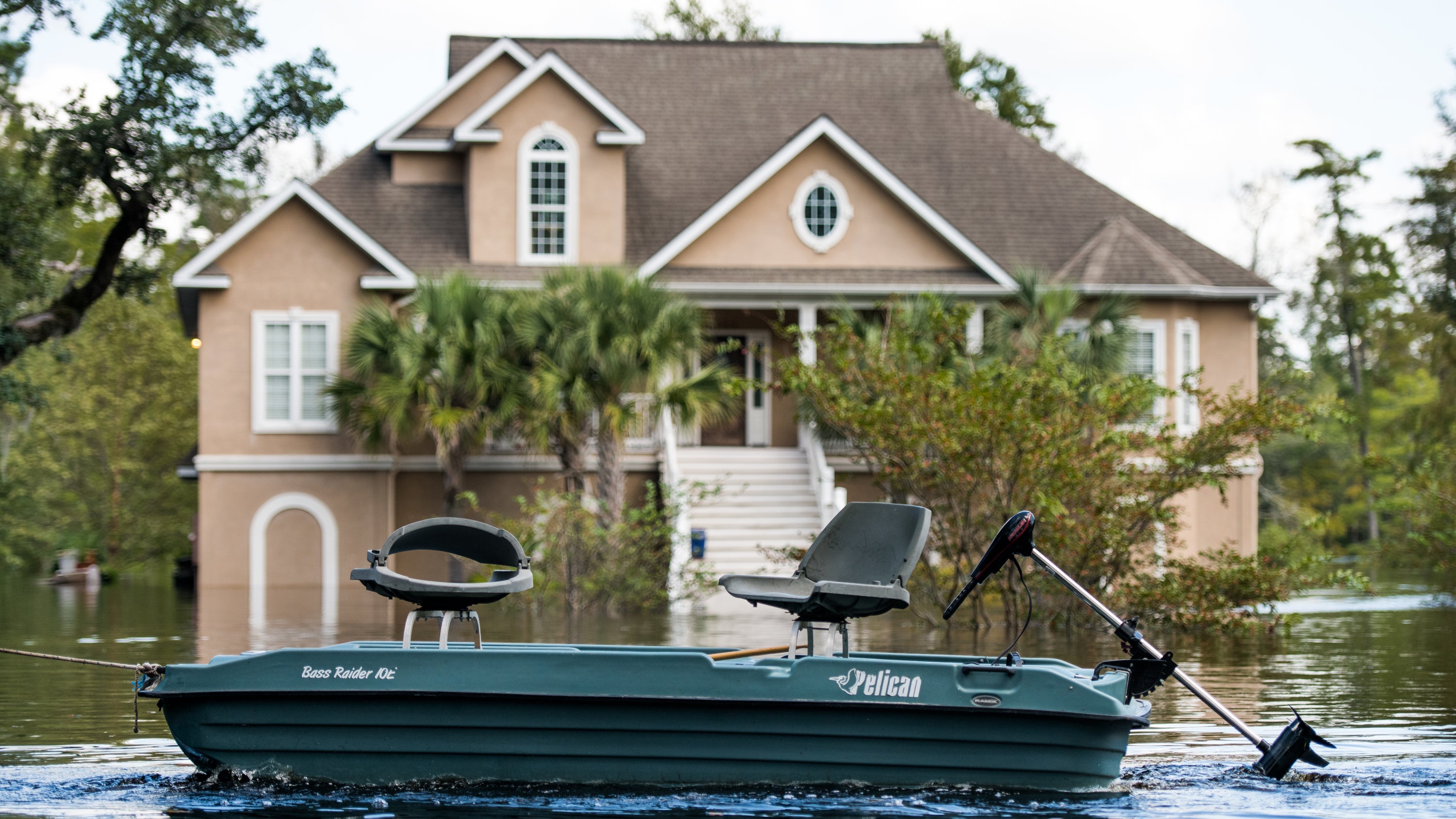
A house in South Carolina after Hurricane Florence. (Photo: Sean Rayford, Getty Images)


Climate change used to seem like something that would confront our grandchildren — a distant concern. Now, though, it’s staring us right in the face when we get up in the morning.
People wade through seawater on sunlit Miami streets; the Florida Panhandle, which rarely sees hurricanes, was recently flattened by a megastorm; and every year bigger and more frequent wildfires burn through Australia and California. 

As our planet warms up, the climate-related changes across the world are well underway. Even if you haven’t had to cope with climate related problems yet, it may not be long before you have to protect your home from extreme weather, fire, flooding, or even sea level rise.

To find out how climate change may affect your area, check out climate risks by region using the Climate Change in Australia Toolkit.

https://www.climatechangeinaustralia.gov.au/en/climate-projections/climate-futures-tool/projections

For example, your flood risk depends not just on your own home and where it sits, but also on things like how the city has channeled nearby creeks and what size culverts your local department of public works has installed beneath your street or road. When it rains harder than ever before, undersized culverts may be overwhelmed and creeks can back up and jump their banks, flooding homes and roads.

In Santa Cruz, California, the city’s climate action manager Tiffany Wise-West, PhD, has posted a detailed action plan, including a Practical Adaptation Actions for Residents. We’re not covering every little thing, she says, but the City’s simple web page is a place for ordinary people to start.
Santa Cruz County is one of the rare places that already has a detailed plan for the future. Ask your city and county government if they have a Local Hazard Mitigation Plan like this one. But even if your area doesn’t, you can rough out a way to address the specific risks your home could face. In general, climate change experts talk about two ways of addressing climate change, preventing it and dealing with the consequences. Here we are focused on dealing with the consequences of climate change, sometimes called climate adaptation.


Sea Level Rise 

Is your seaside beach house at risk of looking like the castle in the bottom of a goldfish bowl? To find out, look up your area on Coast Adapt’s “Climate Change and Sea-Level rising in the Australian Region page.”
https://coastadapt.com.au/climate-change-and-sea-level-rise-australian-region
 
Older climate models predict 1 to 4 feet of sea level rise by 2100. But depending on how quickly major ice sheets in Greenland and Antarctica collapse, the sea could rise a dozen meters or more. For now, we don’t know for sure when that might happen.

For example, East Antarctic’s largest ice sheet is threatened by warm sea water slipping underneath it. That could set the front of it afloat and allow the massive landbound part to slide into the sea—enough to raise global sea levels by nearly four meters (12 feet).

Wise-West says the Santa Cruz plan is about the same whether the sea rises a meter in 80 years or sooner. It’s just a matter of moving up the schedule, she says, looking serious.

If you look at Port Arthur, Texas, on the Surging Seas website and set sea level to one meter (3 feet), you can glimpse the future. Here is Port Arthur today:
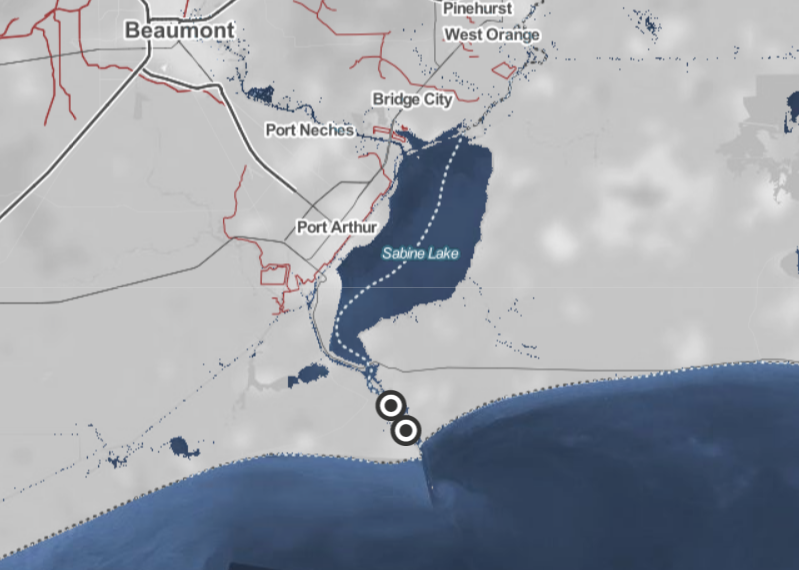
Port Arthur, Texas, today (Screenshot: Surging Seas)
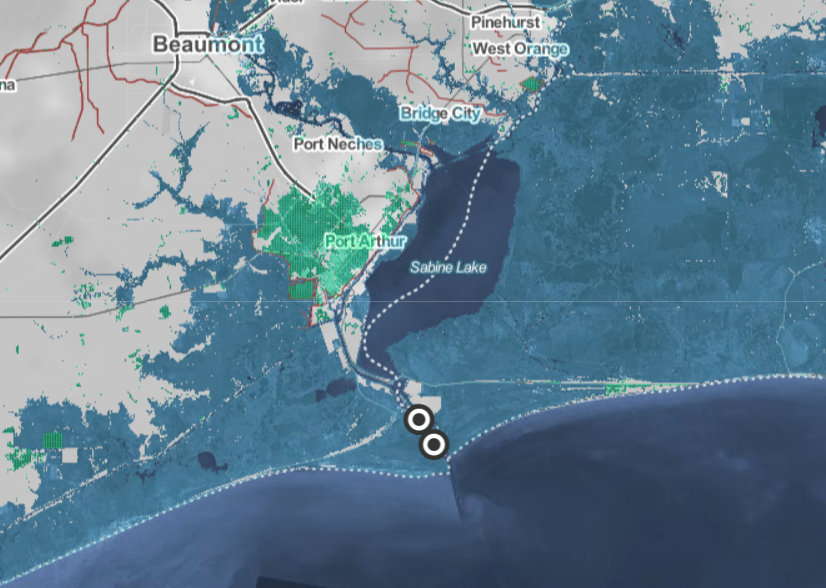
 
Port Arthur is home to 50,000 people and the largest oil refinery in the United States. Here’s what it could look like with one meter of sea level rise:

Port Arthur, Texas, with a meter of sea level rise (Screenshot: Surging Seas)
 
That means that if you lived in Port Arthur, you’d have to think about not only how sea level rise would affect your own backyard, but also how it would affect the oil refinery and how that would affect you.


Extreme Rain

In 2017, Hurricane Harvey slammed Houston with 102cm of rain in four days, flooding 400 square miles. How can you deal with such Biblical flooding? In the short term, evacuate if local authorities say to. Longer term, have an escape plan. But bottom line? Don’t live in a floodplain.
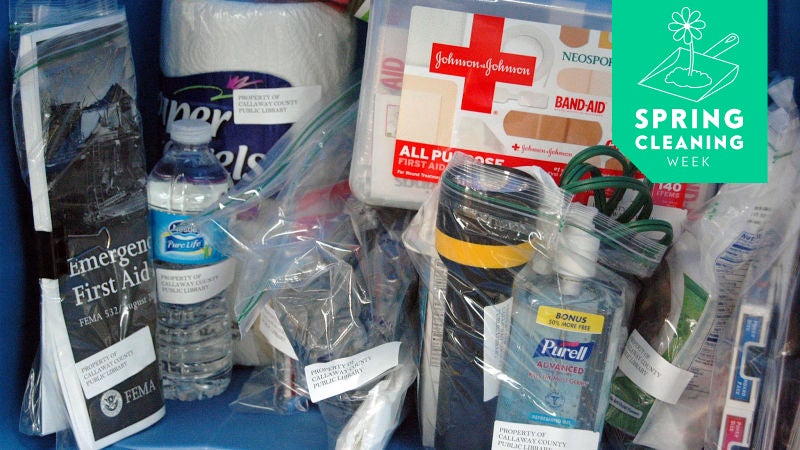
Consolidate Your Home Emergency Kit Now

Remember when you bought a new can opener because you thought you lost your old one? What do you plan on doing with that half-used roll of duct tape that's collecting dust in your garage? The last time you used that flashlight in the kitchen junk drawer was to pretend to be a jedi, wasn't it? These are all items you probably have lying around that you can consolidate into a home emergency kit. It might just save you and your family's lives.

Read more

Flooding from rain and overflowing rivers might seem similar to flooding from sea level rise and in some ways a basement full of water is the same whether it’s freshwater or seawater. But there is a difference. Floods eventually recede. Even with climate change, it might be 10 or 50 years before another flood occurs in that location. Sea level rise not only doesn’t recede, it will keep rising for the foreseeable future. If the sea is lapping at your driveway at high tide, it will be at your doorstep in time.

If you are in doubt about whether your home could be affected by sea level rise, it’s not too soon to start thinking about moving inland, whether that’s a just mile to higher ground or to another state.

Hotter Summers

Government maps can help you estimate how much hotter it’ll get where you live.

https://coastadapt.com.au/climate-change-and-sea-level-rise-australian-region

Until you move, here are a few things that will help protect your house from extreme heat:
  • Paint your house white, and use the palest roofing you can find.
  • Plant trees around your house to provide shade.
  • Seal every crack in your roofing.
  • Insulate the roof and walls.
  • Seal all gaps around electrical outlets or pipes coming through the wall.
  • Weather strip your doors and replace leaky windows.
  • Use fans to pull in cooler air in at night.

Extreme Wind

Hurricanes are becoming more powerful and more common. This is because warmer ocean water adds energy to tropical storms as they form. Both kinds of extreme wind destroy buildings by ripping off roofs and hurling heavy objects through the air.
Most building codes were written for relatively mild winds. You can build a house like this one that will withstand a category 5 hurricane. But if that’s not in your budget, make your own house a bit sturdier with wind-resistant roofing, garage doors, and storm shutters. As always, be prepared to evacuate to a safer place when hurricanes are headed for your house."

From LifeHacker.au
at April 19, 2020
Email ThisBlogThis!Share to XShare to FacebookShare to Pinterest
Labels: #climateaction, #climatecrisis, #jailclimatecriminals, building regulations, buildings, bushfire, coastal development, public housing, rezoning, sea level rise, surface flooding, water shortage, wildfire

Preparing for catastrophic fire seasons

There is no climate sceptic on the end of a fire hose. #jailclimatecriminals
 
Governments must prepare for catastrophic fires.
 
* Establishing services to support those ‘burned out’ and those who cannot insure

* rezoning areas unsuitable for building

* changing building regulations

* employing indigenous people to carry out controlled burning to reduce fuel loads as they have done for thousands of years

* increasing the numbers of professional firefighters, giving more support to volunteer firefighters and purchasing more aviation support are just small steps.

* increasing funding for bushfire research

* the most important action for governments is to cut carbon targets and to pressure other countries to do the same. Tariffs on carbon reckless countries, like the USA, Saudi Arabia, China and Australia are inevitable.


Koalas suffered greatly. #jailclimatecriminals


" The main reason more prescribed burning has not been done is the risk the deliberately lit fires will get out of control and burn down property, or otherwise choke population areas with unhealthy amounts of smoke.

This risk has gone up with the drought, which has meant there are fewer days every year with low-risk fire conditions. It's also gone up with population levels, which has meant more people are affected by prescribed burning.


#climatecrisis, heatwaves  

"With many prescribed burns now conducted close to the expanding urban fringe and close to essential infrastructure and agriculture, the community tolerance levels are very low to heavy smoke and potential damage to delicate ecosystems," Dr Thornton says."

"....  Mr Bradstock described it as a "tired and old conspiracy theory" while Greg Mullins said ex-fire chiefs were annoyed that the fires were being used for political attack."


#bushfire,  #wildfire,  #jailclimatecriminals


"Greg Mullins (former NSW fire and rescue commissioner Greg Mullins) said climate change means it's often too dangerous to burn: "Extreme drought like this, underpinned by 20 years of reduced rainfall, has meant the window for hazard reduction is very narrow now."

He also said a long-term reduction in forestry and national parks personnel has meant hazard reduction has fallen to volunteers.

"We're mainly only available on the weekends," he said.


Climate Council Media Release

How effective is hazard reduction?

Many bushfire experts want to see more hazard reduction, but they also say there's a danger in presenting prescribed burning and fuel management measures as a 'silver bullet solution' to the continent's increasing fire risk.

Some areas are suitable for prescribed burning, while others are not.

"The complexities around hazard reduction burning are large and growing," said Dr Richard Thornton, CEO of the Bushfire and Natural Hazards Cooperative Research Centre."

https://www.abc.net.au/triplej/programs/hack/is-more-prescribed-burning-the-answer-to-bushfire-threat/11844766


Catastrophic bushfires and catastrophic fire seasons will become a new normal due to the shortening of fuel reduction periods, increasing severe droughts and extreme temperatures.
Governments must prepare for catastrophic fires.
Establishing services...
#wildfire,  #bushfire,  #firefighters,  #climatecrisis

Catastrophic bushfires and catastrophic fire seasons will become a new normal due to the shortening of fuel reduction periods, increasing severe droughts and extreme temperatures. 


See also: Preparing for heatwaves

Your Suggestions:

* Extra water tank on every house plus fire fighter pump diesel. 

* Only fleshy leaf trees near buildings


at January 07, 2020
Email ThisBlogThis!Share to XShare to FacebookShare to Pinterest
Labels: authorities, aviation support, building regulations, bushfire, droughts, firefighters, governments, wildfire
Older Posts Home
Subscribe to: Comments (Atom)

Search This Blog

Pages

  • Home

Report Abuse

Labels

  • #climateaction (9)
  • #climatecrisis (10)
  • #globalheating (3)
  • #heatwaves (4)
  • #jailclimatecriminals (10)
  • 2050 (1)
  • agricultural support services (2)
  • agriculture (3)
  • air pollution (1)
  • airconditioning (2)
  • animals (1)
  • artesian water (2)
  • Australia (3)
  • authorities (1)
  • aviation (1)
  • aviation support (1)
  • biodiversity (1)
  • building regulations (7)
  • buildings (5)
  • bushfire (2)
  • carbon emissions (3)
  • carbon sinks (1)
  • catastrophic events (2)
  • children (3)
  • cities (3)
  • climate change (6)
  • climate refugees (4)
  • climate science (2)
  • climate zones (1)
  • coastal development (2)
  • conflict (1)
  • corporations (3)
  • COVID-19 crisis (2)
  • crops (2)
  • cyclones (3)
  • dams (1)
  • democracy (1)
  • developments (1)
  • disease (2)
  • droughts (6)
  • economy (3)
  • education (2)
  • electric vehicles (1)
  • emergency servics (1)
  • energy resources (1)
  • epidemics (1)
  • estuaries (1)
  • farmers (5)
  • farming subsidies (3)
  • firefighters (1)
  • floodplains (2)
  • floods (5)
  • food security (5)
  • food waste (1)
  • free media (1)
  • freedom of speech (1)
  • gaolclimatecriminals (2)
  • governments (3)
  • habitats (1)
  • health (4)
  • heating and cooling options (3)
  • heatwaves (10)
  • homeless (1)
  • homes (2)
  • hurricanes (5)
  • industrial regulations (1)
  • insulation (3)
  • intensive farming practices (3)
  • international approaches (2)
  • irrigation (1)
  • jailclimatecriminals (4)
  • jobs. (1)
  • koalas (1)
  • labour laws (2)
  • macroeconomic policy (3)
  • melting ice (1)
  • mental health (3)
  • migration (1)
  • mining (1)
  • mitigation (1)
  • Murray-Darling (1)
  • national strategy (1)
  • older people (1)
  • opportunity (1)
  • Paris Agreement (1)
  • permaculture (1)
  • planned retreat (1)
  • property zoning regulations (1)
  • public housing (2)
  • public transport (3)
  • public water supply (2)
  • rail (1)
  • rainforests (1)
  • recycle water (1)
  • refugees (3)
  • rescue servics (1)
  • research (1)
  • reuse water (1)
  • rezoning (1)
  • rivers (1)
  • roads (1)
  • science (1)
  • sea level rise (8)
  • sea transport (1)
  • smoke (2)
  • soil (1)
  • storms (4)
  • surface flooding (2)
  • taxes (1)
  • taxpayers (1)
  • trade (1)
  • urban food production (2)
  • vulnerable people (4)
  • war (1)
  • water retention basins (1)
  • water shortage (3)
  • wildfire (3)
  • workers (1)

Blog Archive

  • February 2022 (1)
  • November 2021 (2)
  • August 2020 (1)
  • July 2020 (1)
  • June 2020 (4)
  • April 2020 (6)
  • March 2020 (3)
  • January 2020 (12)
  • December 2019 (5)
Simple theme. Theme images by gaffera. Powered by Blogger.